How to Spot a Fake Baby Car Seat in the Malaysian Market


In Malaysia, protecting your child during every car journey is a top priority. While many parents focus on choosing the right baby car seat Malaysia has to offer, not enough are aware of a rising threat, counterfeit car seats that look real but fail basic safety standards.
Fake car seats often come with a lower price tag, but they lack proper certification, materials, and crash testing. This article will help Malaysian parents identify warning signs, verify authenticity, and choose certified models from trusted brands like Koopers.
Why Fake Car Seats Are Dangerous
Counterfeit car seats are not just low quality, they are life-threatening in the event of a crash. Unlike genuine, certified models, these fakes are often built without proper structural integrity or safety features.
Here’s why fake baby car seats are risky:
- Not crash-tested or compliant with ECE R44/04 or ECE R129 (i-Size) standards
- Use weak plastic and poor-quality padding that break on impact
- Feature incorrect or substandard harness systems that won’t secure your child
- Offer no manufacturer warranty, crash exchange, or safety guarantee
- May visually mimic real car seats, but with fatal safety flaws
Key Signs You’re Looking at a Fake
Even if the seat looks new and clean, these red flags suggest it could be a counterfeit:
| Red Flag | What It Means |
|---|---|
| No visible ECE R129 or R44/04 label | No proof of crash testing or certification |
| Missing brand logo, serial number, or date of manufacture | Harder to verify origin or warranty |
| Unbranded or generic packaging | Often comes without proper manual or warranty |
| Too-good-to-be-true pricing | Drastic discounts can indicate counterfeit |
| Chest clip present | Chest clips are not legal for use in EU/Malaysia models |
| Feels too light or flimsy | Low-grade plastic and minimal padding used |
Always be cautious if the deal seems suspicious, especially online.
Where Fake Car Seats Commonly Appear
Counterfeit baby gear isn’t limited to shady websites. It can show up in surprisingly common places:
- Online marketplaces from unverified third-party sellers
- Social media stores selling “preloved” or “parallel import” items
- Pop-up booths at unofficial baby expos or pasar malam
- Unregistered websites with no contact info or return policy
When in doubt, stick to official sites like Koopers.co or verified retail partners.
How to Verify a Genuine Car Seat
Malaysian parents can avoid dangerous fakes by following a few simple steps before buying:
- Buy from authorised sellers or official websites like Koopers
- Check for an ECE R129 or R44/04 label on the side or bottom of the car seat
- Confirm presence of brand logo, serial number, and manufacture date
- Look for clear user manuals and a valid warranty card
- Read real reviews from parenting forums or verified Koopers customers
- If unsure, contact Koopers’ customer service, their support is responsive and reliable
Choosing the right 360 car seat for your child is about more than features, it’s about safety you can trust.

Why Certified Brands Like Koopers Matter
When you choose a brand like Koopers, you’re not just getting a quality car seat, you’re getting peace of mind.
Popular certified models include:
- Koopers Armour 360: Full-body protection with ECE R129 certification
- Koopers Spark+ 360: Easy installation and detachable side-impact panels
- Koopers Flex 360: Rear- and forward-facing with built-in ISOFIX
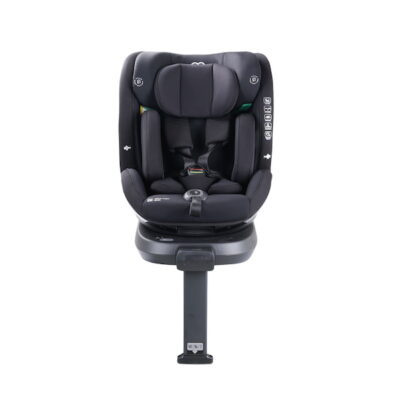
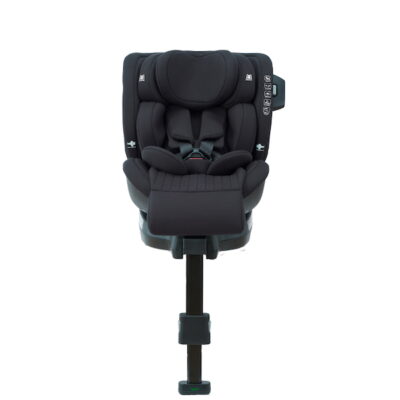
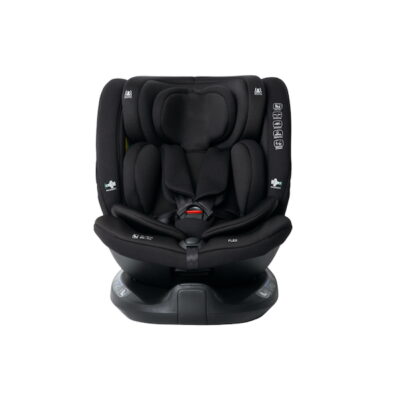
These ISOFIX car seat models are rigorously tested, come with warranties, and meet international crash safety standards.
What’s more, Koopers provides:
- 1-to-1 crash exchange programme
- Local compliance with MyCRS (Child Restraint System Malaysia)
- Authentic product verification
- Responsive after-sales support
Don’t Compromise, Always Choose a Genuine Baby Car Seat
A counterfeit car seat can cost much more than money, it can endanger your child’s life.
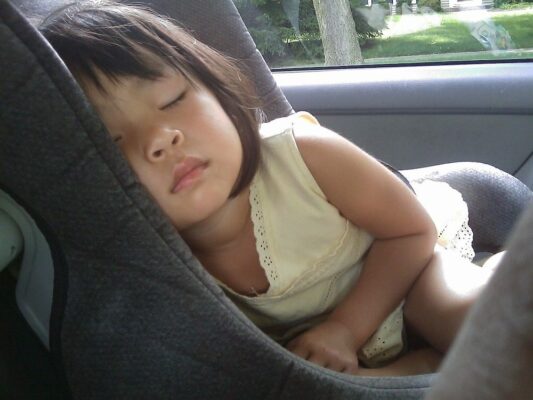
Malaysian parents must stay alert to fake car seats by checking certification labels, avoiding unknown sellers, and choosing trusted brands like Koopers. Every ride should offer complete protection, and that starts with a verified, safety-tested seat.
Buying genuine keeps your child safe and your mind at ease.
FAQs: Spotting and Avoiding Fake Car Seats in Malaysia
What should an ECE R129 or R44/04 label look like?
It should be a visible orange sticker with codes indicating the seat type, approval number, and weight or height range. The label must include the letter “E” inside a circle followed by a country code.

Can fake car seats be made to look exactly like real ones?
Yes. Many fakes mimic real brands with similar shapes, logos, or colours. However, they often lack certification labels, feel flimsier, and use incorrect harness clips.
Are second-hand car seats safe if they look undamaged?
Only if the history is known. Avoid car seats involved in accidents, with expired labels, or unknown origins. Always verify certification and manufacturer details.
How do I report a seller offering fake baby car seats in Malaysia?
You can report them to:
- KPDN (Ministry of Domestic Trade and Consumer Affairs)
- MyCRS (Child Restraint System Malaysia)
- Contact the brand (e.g., Koopers) directly for investigation
Related Koopers Safety Reads for Informed Parenting
Before you buy your next car seat, make sure you’re informed with these must-read articles:
- Understanding baby car seat safety standards in Malaysia: ECE R44/04 vs ECE R129 (i-Size) will help you compare the two major certifications and understand which is safer for your child.
- If you’re unsure about installation, ISOFIX, or choosing the right model, this ultimate FAQ guide on baby car seats in Malaysia answers all the common questions Malaysian parents ask.
- Don’t overlook the importance of expiry dates, learn why baby car seat expiry dates matter more than you think and how they can affect your child’s safety in an accident.