
Why Baby Car Seat “Expiry Dates” Matter — And What They Really Mean


When Malaysian parents shop for a baby car seat in Malaysia, they often focus on certifications, comfort, and advanced safety features. But there’s one detail that causes confusion: do baby car seats really expire?
The quick takeaway is no, not in the same way food or medicine does. Expiry dates are not specifically stated under UNR ECE regulations or in Malaysian Law – what’s provided is the manufacturing date marked on the car seat. A car seat that requires an expiry date from the date of manufacture are only car seats that fall under the U.S. standards (FMVSS).
In Malaysia, all car seats, including Koopers, fall under UNR ECE standards, which require compulsory crash testing before a model is approved, while leaving the recommended life span to the manufacturer. At Koopers, we define a recommended life span to guide parents on when the seat will continue to offer optimal safety and performance.
| Aspect | FMVSS (U.S. Standards) | UNR ECE (Europe/ Malaysia Standards) |
|---|---|---|
| Expiry Date | Car seats come with a fixed expiry date printed from the date of manufacture. | No fixed expiry date stated. Only the manufacturing date is marked on the seat. |
| Regulation Basis | Expiry is required to ensure materials remain reliable and meet U.S. safety rules. | Safety is ensured through compulsory crash tests before approval; lifespan is guided by manufacturers. |
| Lifespan Guidance | Expiry is counted from manufacturing date. | Lifespan starts from first use, with manufacturers (like Koopers) recommending when to replace (e.g., 6–8 years). |
| Parental Impact | Parents must follow the printed expiry date. | Parents follow the manufacturer's recommended lifespan. |
A car seat may look fine on the outside, but its materials can weaken over time and safety standards keep improving. That’s why it’s best to follow the recommended lifespan — and avoid second-hand seats, since you can’t be sure of their full history. Replacing your seat at the right time helps ensure your child always stays protected.
At Koopers, we’re committed to your child’s safety for the long run. Our models like the Koopers Armour 360, Koopers Spark+, and Koopers Flex are designed to last — but like every car seat, they still follow a recommended life span.
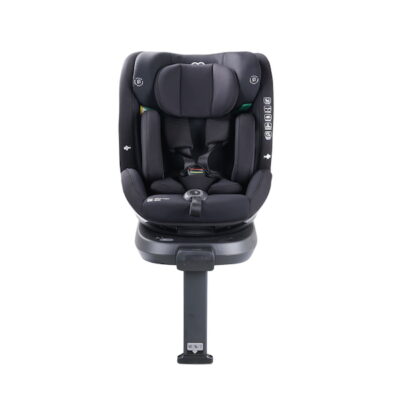
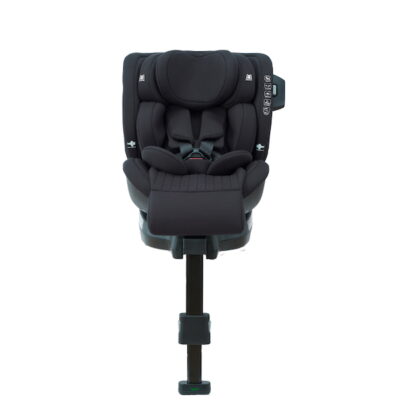
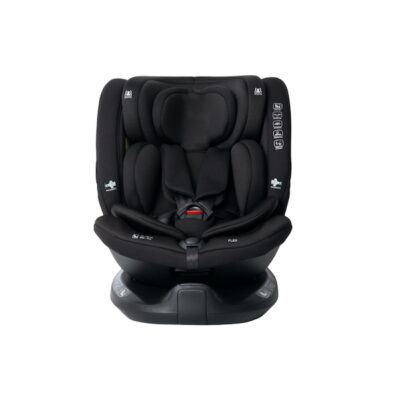
Understanding the Recommended Lifespan of Baby Car Seats
Rather than a hard “expiry date,” most manufacturers specify how long a car seat is intended to provide optimal performance — typically 6 to 8 years, depending on the model and Group classification.
Think of this like a “best before” date — it’s about ensuring the seat performs as intended, rather than meeting an arbitrary deadline.
If you own a Koopers car seat, look for the manufacturing label on the base or back of the shell. If you’re unsure, our support team can confirm your model’s recommended lifespan.
Why Do Baby Car Seats Have a Recommended Lifespan?
Even though there’s no legal “expiration,” there are solid safety reasons to follow manufacturer guidelines — especially in Malaysia’s heat and humidity:
1. Material Wear and Tear
High-strength plastics and energy-absorbing foams are designed to withstand crash forces, but extreme temperatures and daily use gradually weaken them. In Malaysia, a parked car can become extremely hot, accelerating material fatigue.
Over time, even critical components like the ISOFIX connectors may not perform as securely as they should, which can compromise both the safety and overall performance of the car seat.

2. Potential Hidden Damage
Even if a baby car seat looks undamaged, certain situations can create risks you can’t see. After a major accident or flood, the car seat may develop internal issues such as tiny cracks in the plastic shell, stress fractures around the harness points, corrosion in the ISOFIX connectors, or damage to the EPP foam inside – designed to absorb crash energy, once it’s compromised it can no longer serve its safety purpose effectively.
That’s why at Koopers, we introduced Malaysia’s first 1-to-1 Crash Exchange Program back in 2018 — giving parents peace of mind with a replacement seat if theirs has been compromised. This program is applicable for major car accidents with required documentation.
How to Check If Your Koopers Car Seat Is Still Safe to Use
- Look for a manufacture date label on the underside or back of the car seat shell.
- Koopers car seats are recommended for use within 6–8 years from the first day of use.
- When in doubt, reach out to Koopers customer support or technician for checking and guidance.
A car seat used beyond its intended lifespan might not show obvious issues, but it can have hidden risks you can’t detect — especially with pre-loved or hand-me-down seats of unknown history.
What to Do When Your Car Seat Is Expired
When your car seat has reached the end of its recommended lifespan, the safest choice is to replace it — even if it looks fine.
Here’s what you should do next:
- Upgrade to a newer model that meets the latest safety standards such as ECE R129. Seats like the Koopers Armour 360 and Koopers Spark+ offer modern protection plus convenience for Malaysian families.
- Avoid donating or selling older seats.They should not be passed on or sold second-hand. A well-used seat may no longer meet safety expectations for another child. However, if your seat is still usable, there are thoughtful options for giving it a second life. Learn about responsible ways to donate, repurpose, or recycle your old baby stroller and car seat to help reduce waste safely.
Dispose responsibly. Where facilities exist, some parts of a car seat can be recycled or repurposed. However, always remove the harnesses and cut the seat fabric to prevent future use.
Replacing an ISOFIX car seat might feel like an unexpected cost. But your child’s safety is priceless. Newer models offer not only improved safety but also comfort and convenience features that make daily life easier.
FAQs
Do car seats really expire?
Not in a legal sense — there’s no official expiry date under UNR ECE R44 or R129. However, all car seats come with a manufacturer-recommended lifespan to make sure they perform at their safest. For Koopers car seats, the recommended lifespan is 6–8 years from the first day of use.
Can I still use a car seat slightly past its recommended service life?
It’s not advised. Materials may degrade over time, and safety standards change. Replacing it ensures your child has the best protection.
Why do Malaysian car seats wear out faster?
High temperatures and humidity can accelerate plastic degradation compared to cooler climates.
Is it safe to buy a second-hand car seat?
Generally no. You can’t confirm its full history, hidden damage, or remaining service life.
How should I dispose of an old car seat?
Remove the fabric and harness, cut the shell to prevent reuse, and check if local recycling centres accept car seat materials.
What if my car seat has been in a car accident?
It should be replaced, even if there’s no visible damage. Internal parts like the EPP foam or ISOFIX connectors may be compromised. Koopers supports parents with a 1-to-1 Crash Exchange Program for added peace of mind.
Keep Learning: Koopers Guides for Safer Car Seat Choices
Baby car seats are one of the most important purchases you’ll ever make. Staying informed helps you keep your child safe on every journey.
To help you make smart, safe choices, Koopers has created helpful guides like:
- Learn about the top features to look for in a baby car seat in Malaysia, so you choose the right seat for your child’s age, size, and lifestyle.
- Understand how safety standards have evolved with our article on ECE R44/04 vs. ECE R129 (i-Size) baby car seat standards in Malaysia.
Still have questions about keeping your child safe on the road? Explore key facts about baby car seat safety and regulations in Malaysia to help you make the best choices for your little one.