
Baby High Chairs: Building Healthy Mealtime Routines

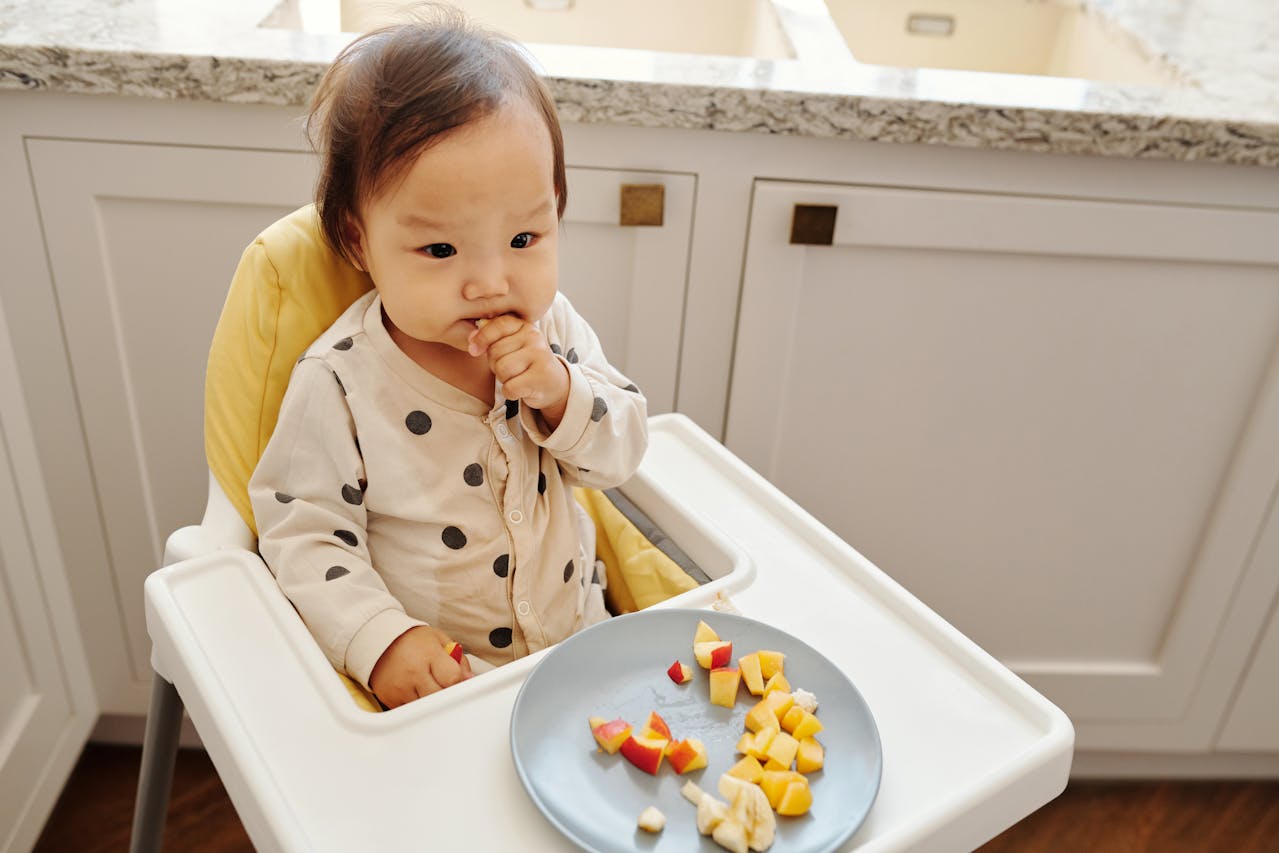
Mealtimes are one of the first daily routines your baby participates in. From watching food being prepared to sitting upright at the table, these moments support early development. A baby high chair helps structure feeding routines, encourage interaction, and support your baby as they begin exploring solid foods.
Understanding what a high chair is, when babies should start using one, and how it fits into daily routines helps parents make confident choices as feeding becomes part of everyday life. It also complements guidance often shared in tips for new parents, where small daily habits help build confidence.
What Is a High Chair Used For?
A high chair is designed to support babies during feeding by keeping them seated upright at a safe height. It provides back support, a stable base, and a harness to help babies sit securely during meals. This upright position also supports safer swallowing and better engagement during feeding.
Unlike a baby cot commonly used in Malaysian homes for rest and sleep, a high chair is used during awake, active periods. Over time, this consistency helps babies recognise mealtimes as part of their daily rhythm. Clear separation between feeding and rest can help establish more predictable daily routines.
When Should Babies Start Using a High Chair?
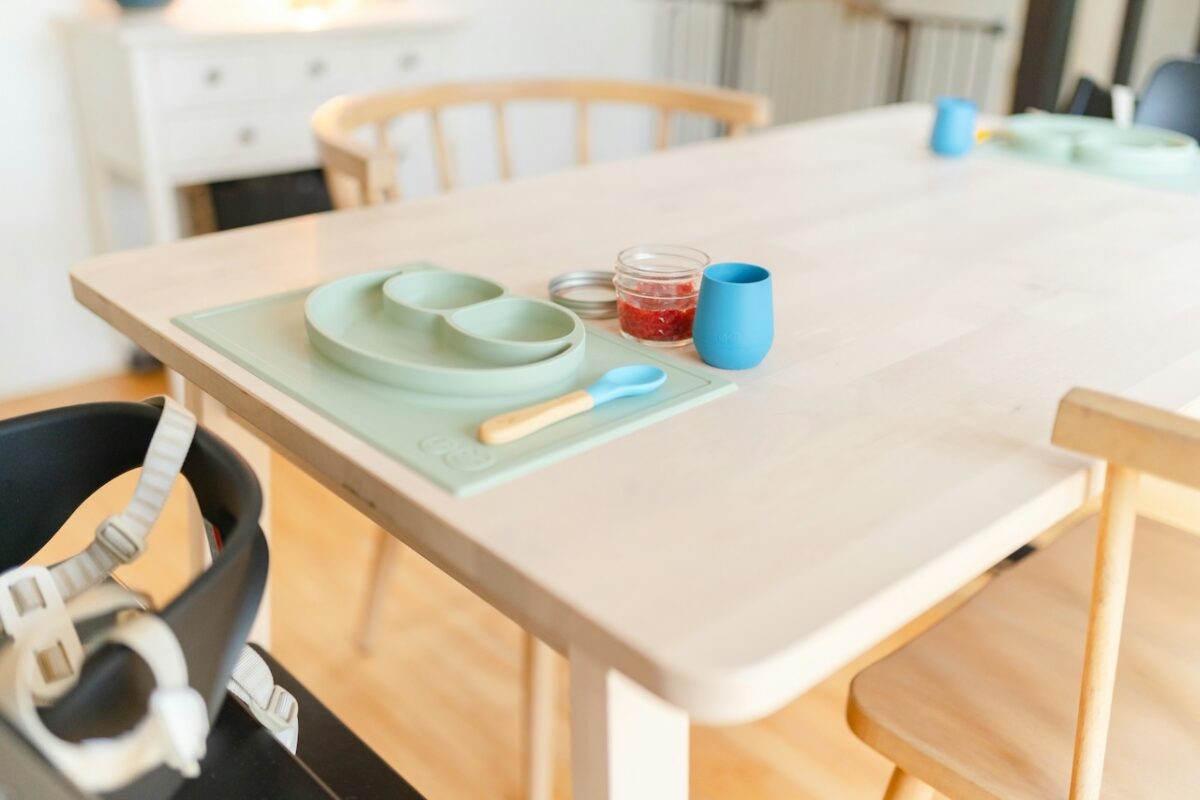
Most babies begin using a high chair when they are developmentally ready for solid foods. This usually happens at around six months, when babies can sit upright with support and hold their head steady. Starting with short, supervised mealtimes helps babies gradually adjust to sitting and eating in a high chair.
Parents often ask when babies should start using a high chair or when a baby can sit in a high chair safely. The key factor is posture rather than age. If your baby can sit comfortably without slouching, a high chair can be introduced gradually, starting with short feeding sessions.
How a High Chair Shapes Daily Feeding Routines
Once introduced, a high chair quickly becomes part of everyday life. Feeding in a consistent place helps babies understand routines, just as sleeping in a baby bed cot helps establish sleep patterns. High chairs support upright posture during feeding, early self-feeding skills, eye contact and interaction during meals.
For families who already have established sleep routines, the high chair becomes the daytime equivalent, clearly separating rest time from active feeding time. This clear distinction helps babies transition more easily between sleep, play, and mealtime routines, which is important when preparing for your baby’s first year.
Choosing the Right Baby High Chair for Your Home
Choosing the right baby high chair depends on how well it fits your space, routines, and your child’s growth. A good high chair should provide safe, upright seating, be easy to clean, and stay stable during everyday mealtimes, whether in an apartment or a larger home. Key features to consider include:
- Convertible, multi-stage design that adapts from baby to toddler, reducing the need for frequent replacements.
- Adjustable height and seating positions to suit different table heights and family setups.
- Supportive seat with a proper backrest to encourage a comfortable, upright posture during meals.
- Secure a safety harness to keep babies stable as they become more active.
- Easy-to-clean surfaces and removable trays to simplify daily clean-up after feeding.
- Sturdy, well-balanced structure that stays stable on different floor types, including apartments and smaller dining spaces.
These features are especially valuable for families looking for long-term value and flexibility, allowing the high chair to grow alongside their child while fitting naturally into everyday routines.
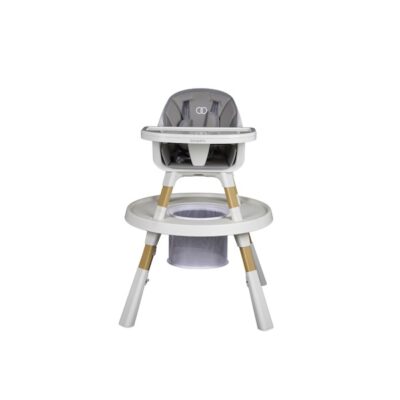
A good example of a high chair that brings these features together is the Koopers Zimo 4-in-1 Convertible Highchair. Designed as an all-in-one solution for feeding, play, and early learning, it adapts easily to different stages of your child’s development without the need for tools. It transforms seamlessly into multiple setups:
- High Chair with Tray, ideal for feeding, featuring a comfortable PU seat, removable food tray, and secure 5-point safety harness
- 360° Play Centre, designed to keep babies engaged with an included toy set and soft padded seat liner
- Construction Toy Station with Chair, creating a creative space for hands-on play and exploration
- Activity Table with Chair, suitable for reading, drawing, light snacks, and early learning activities
Designed for children aged 6 to 36 months (up to 15 kg), the Zimo supports growing independence while maintaining comfort and safety. Its removable PU seat cover allows for easy cleaning, the padded liner adds comfort during longer play sessions, and a built-in toy storage basket helps keep the space organised.
With its stable build, adjustable configurations, and smooth transitions between functions, the Koopers Zimo 4-in-1 offers parents a flexible, long-term seating solution that supports mealtimes, playtime, and learning within a single design.
Just as Malaysian parents carefully choose baby furniture that suits their home environment and routines, selecting a high chair that balances safety, comfort, and adaptability helps create smoother, more enjoyable daily experiences for both parents and children.

Explore More Baby Essentials from Koopers
Beyond baby high chairs, Koopers Malaysia offers a complete range of baby essentials designed to support everyday routines. From safe sleep solutions like a baby crib and flexible options such as a playpen for your baby, to soothing tools like a baby swing, each product is made to fit modern family life.
For outings, parents can explore mobility options, including a baby jogger stroller, twin stroller, and selections from the best baby strollers in Malaysia. Combined with practical guidance on choosing a baby cot in Malaysia, Koopers helps parents build routines that support feeding, sleep, play, and family time.
Frequently Asked Questions About Baby High Chairs
1. Is a high chair safe for everyday feeding?
Yes, when used correctly. Always secure the harness, place the chair on a flat surface, and supervise your baby during meals. Babies should never be left unattended in a high chair.
2. When should babies start using a high chair?
Most babies can start using a high chair around six months, once they can sit upright with support and have good head control. Always follow your baby’s developmental readiness rather than age alone.
3. How long can a baby sit in a high chair?
Babies should sit in a high chair only during meals or short activities. Prolonged sitting is not recommended, especially for younger babies.
4. How do I clean a baby high chair?
Wipe the tray and seat after every meal and clean straps and joints regularly. Removable trays and wipe-clean materials make daily maintenance easier once solid foods are introduced.