
Chest Clip Car Seat: Are They Necessary for Baby Car Seat Safety in Malaysia?

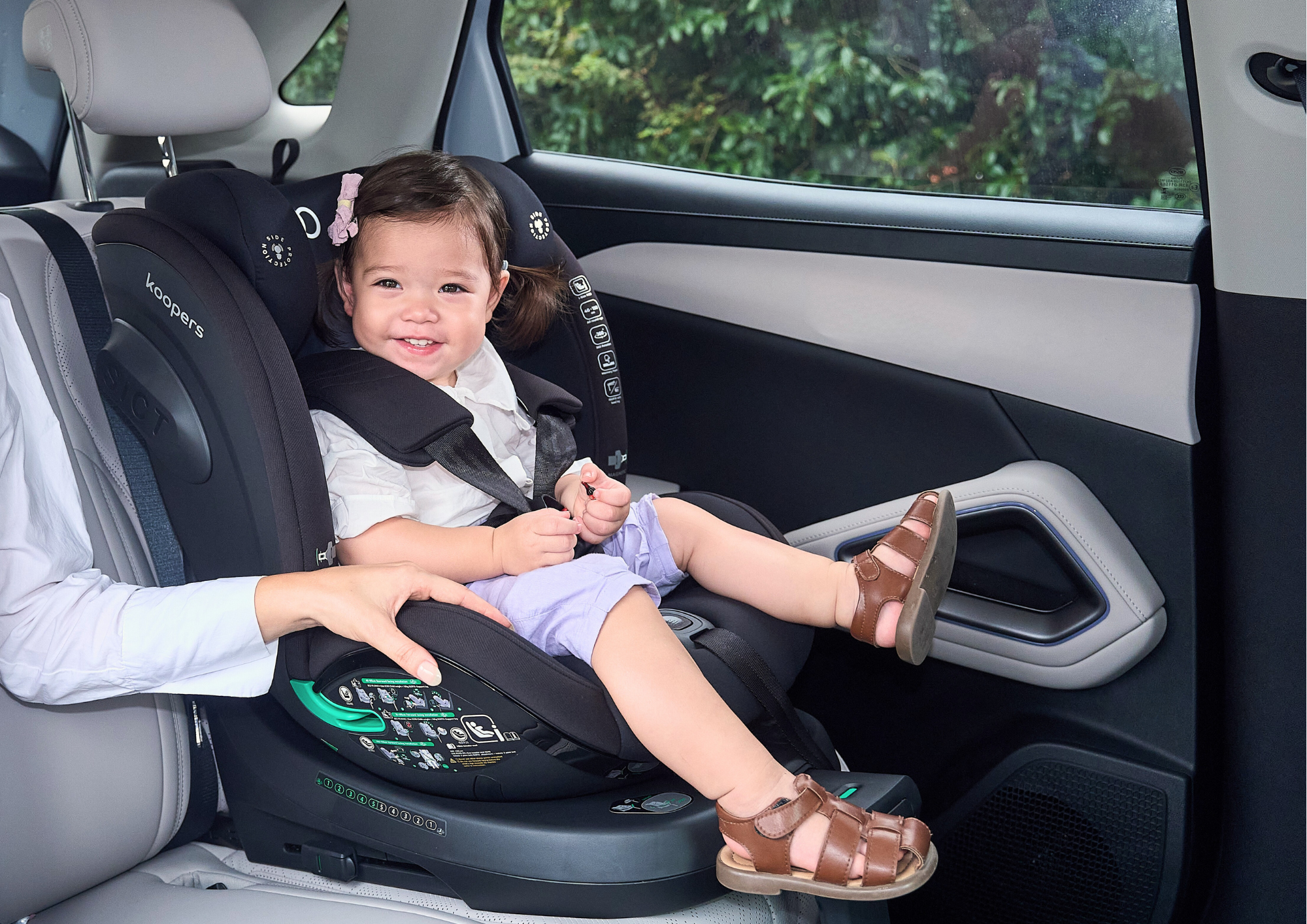
Many people in Malaysia are surprised to learn that the United States and Canada are the only countries where chest clips on car seats are commonly used on car seats. In most other parts of the world, chest clips are not used unless they are an integral part of the car seat and approved under specific safety regulations.
European vs American Car Seats: Why Chest Clips Are Different
One of the key differences between European and American car seats is the presence of a chest clip. European regulations require that a child must be able to be released from the car seat in a single motion. Because of this requirement, having both a crotch buckle and a separate chest clip would not comply with European standards. This is one of the primary reasons most European car seats do not include chest clips although it was permitted recently that it can be integrated in a R129 specification carseat design.
Another important consideration is emergency response. In many countries, first responders are trained to remove a child from a car seat in one single action. Introducing an additional chest clip could slow down that process during a critical situation.
It is also important to understand that chest clips are not required under any safety regulation. Their use is largely a result of historical and cultural practices. Over time, American manufacturers began including chest clips, and consumers came to view them as a safety feature. As demand increased, they became standard in North America.

What Does a Chest Clip Actually Do?
Chest clips are not designed to restrain a child during a collision. They are not strong enough to hold a child in place in a crash, nor are they intended to. Their purpose is to act as a pre-crash positioning device — helping keep the harness straps properly aligned over the child’s shoulders. This addresses a common misuse issue, where harness straps are left too loose or positioned incorrectly.
Is a Car Seat Without a Chest Clip Safe?
When it comes to baby car seat safety in Malaysia, a chest clip is neither inherently safer nor less safe. The most important factor is proper harness use. The safest car seat is one that is correctly installed and tightly secured. The absence of a chest clip does not make European car seats less safe; they are simply designed differently to meet equally strict but alternative safety standards.
How European Car Seats Keep Your Child Secure Without Chest Clips
To prevent harness straps from slipping off the shoulders without using a chest clip, many European seats incorporate design features such as narrower harness spacing, more angled strap positioning, and high-friction or “grippier” harness covers. These features help maintain proper positioning when the harness is correctly tightened.
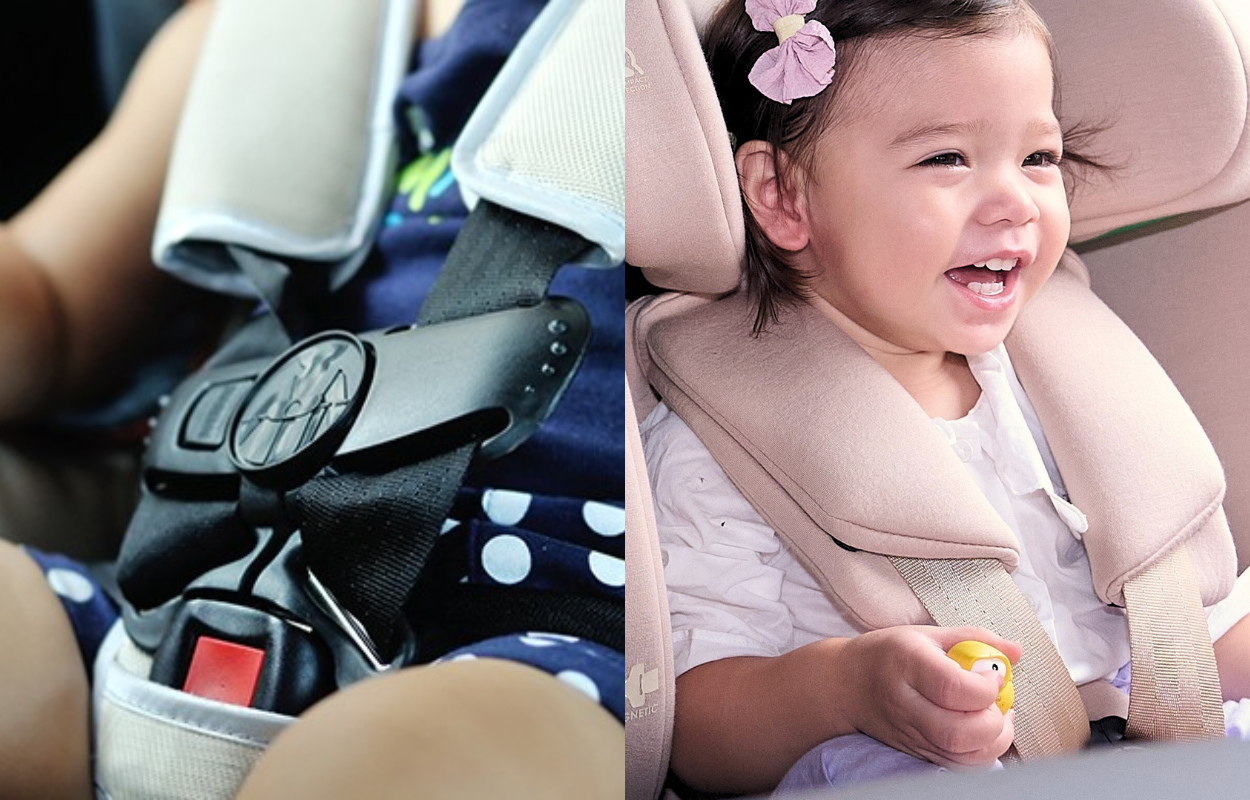
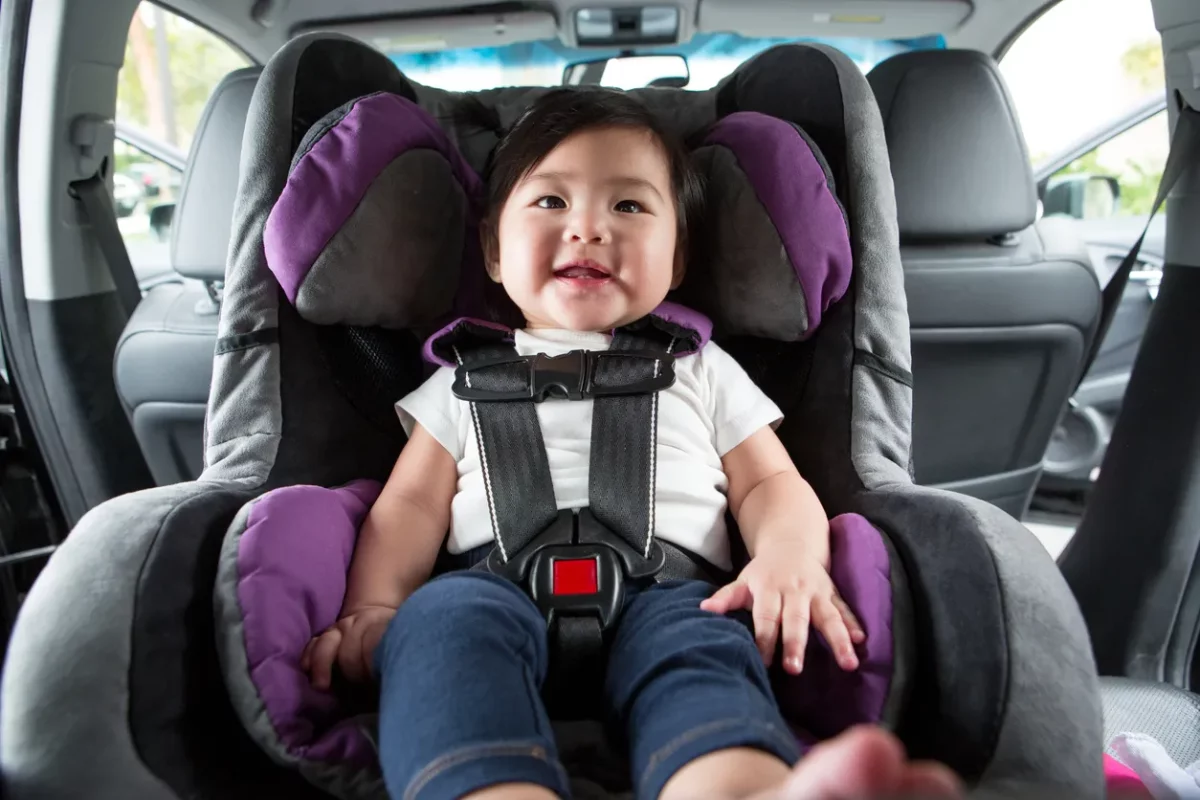
It is essential to note that the chest clip itself does not hold a child in place during a crash — that role belongs to the five-point harness and crotch buckle. One of the most common mistakes parents make is placing the chest clip in the wrong position. The chest clip should sit centered across the chest at armpit level. If positioned too high, it may cause neck injury; if too low, the harness straps can slip off the shoulders, reducing protection in a crash.
Correct Chest Clip Position: What Malaysian Parents Need to Know
If you have purchased a car seat that includes a regulation-approved, integrated chest clip, ensure the harness straps are snug with no twists. The chest clip should be positioned flat against the chest at armpit level. Never add an aftermarket chest clip to a car seat that did not come with one. Accessories that are not tested and approved with the seat can compromise its safety performance and may void its certification.
Common Myths About Chest Clips
Myth: A car seat with a chest clip is safer than one without.
Truth: Chest clips are not inherently safer or less safe. Proper harness fit and correct installation are what truly protect a child. Most European seats without chest clips meet strict safety standards using alternative design approaches, such as tightly angled shoulder straps and high-friction harness materials.
Myth: Chest clips keep your baby in the car seat during a crash.
Truth: Only the five-point harness and crotch buckle restrain a child in a collision. The chest clip simply helps position the straps correctly before a crash occurs.
Myth: The chest clip can be placed anywhere on the harness straps.
Truth: The chest clip must always be positioned at armpit level across the chest. Incorrect placement can reduce effectiveness or cause injury.
Myth: For a short drive, fastening only the chest clip is enough.
Truth: The chest clip is not a restraint system. It cannot hold a child in a crash. The crotch buckle and harness do the actual restraining work. If the crotch buckle is not secured, the chest clip will separate under crash forces, and the child could be ejected, leading to severe or fatal injury.
Conclusion
Chest clips are not about strength — they are about positioning. They are not a structural component of the five-point restraint system. Their purpose is to keep the harness straps properly aligned on a child’s shoulders before a collision occurs.
Chest clips are widely used in North America as a design choice, not because global safety standards require them. Most European car seats do not include chest clips because their regulations address harness release differently and their seat designs reflect that approach.
Neither system is inherently safer than the other. They represent different design philosophies working toward the same goal: keeping children safe.