
Rear-Facing vs. Forward-Facing: When to Make the Switch in Malaysia?


Choosing the right baby car seat Malaysia can be overwhelming, especially when deciding when to transition from rear-facing to forward-facing. This guide explains the safety benefits of extended rear-facing, the latest regulations like R129 car seat, and i-Size car seat standards, and provides practical tips for a smooth transition. Whether you need a newborn car seat or an ISOFIX car seat, following these guidelines ensures your child’s safety on every journey.
The Undeniable Benefits of Extended Rear-Facing
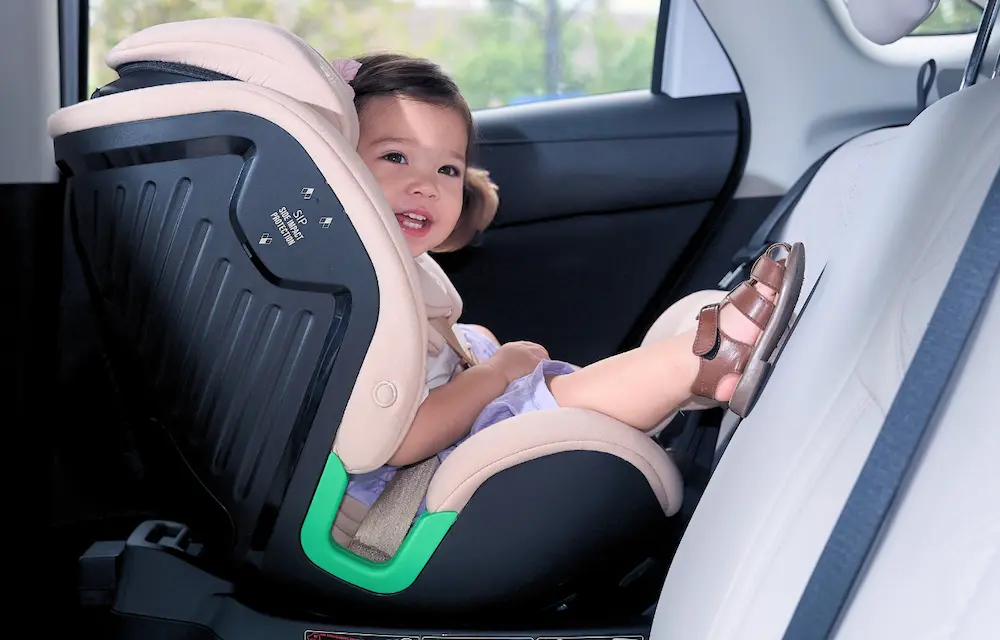
Rear-facing car seats offer superior protection for infants and toddlers. In frontal collisions—the most common type of accident—a rear-facing baby car seat Malaysia cradles the child, distributing impact force across the seat’s back. This minimizes stress on their delicate head, neck, and spine.
The Science Behind Rear-Facing Safety
- Young children have proportionally larger and heavier heads.
- Rear-facing prevents excessive forward movement of the head and neck, reducing the risk of severe injury.
- Spinal cord injuries are less likely in rear-facing car seats.
- This is especially important for newborns and infants in newborn car seats, as their bodies are even more fragile.
Age, Weight, and Height Guidelines for Switching: R44/04 vs. R129 (i-Size) Car Seat Standards in Malaysia
Malaysia follows both ECE R44/04 and ECE R129 (i-Size) car seat standards. Below is a comparison of their rear-facing guidelines:
(approx. 9 months - 1 year)
(approx. 4 years)

Addressing Common Concerns About Rear-Facing Baby Car Seats
Many parents have concerns about their child’s comfort and legroom while rear-facing.
Legroom Concerns
- Children are naturally flexible and can comfortably sit with crossed legs.
- Many i-Size car seats offer increased legroom for extended rear-facing.
- Rear-facing remains safer than switching to forward-facing too early.
Motion Sickness
- No conclusive evidence links rear-facing to motion sickness.
- Ensure proper ventilation and allow the child to see out the rear window.
- Take regular breaks on long journeys.
Monitoring the Child
- Use a baby car seat mirror to keep an eye on your child.
- Ensure your child remains comfortable with good seat positioning.
Transitioning Tips for Parents
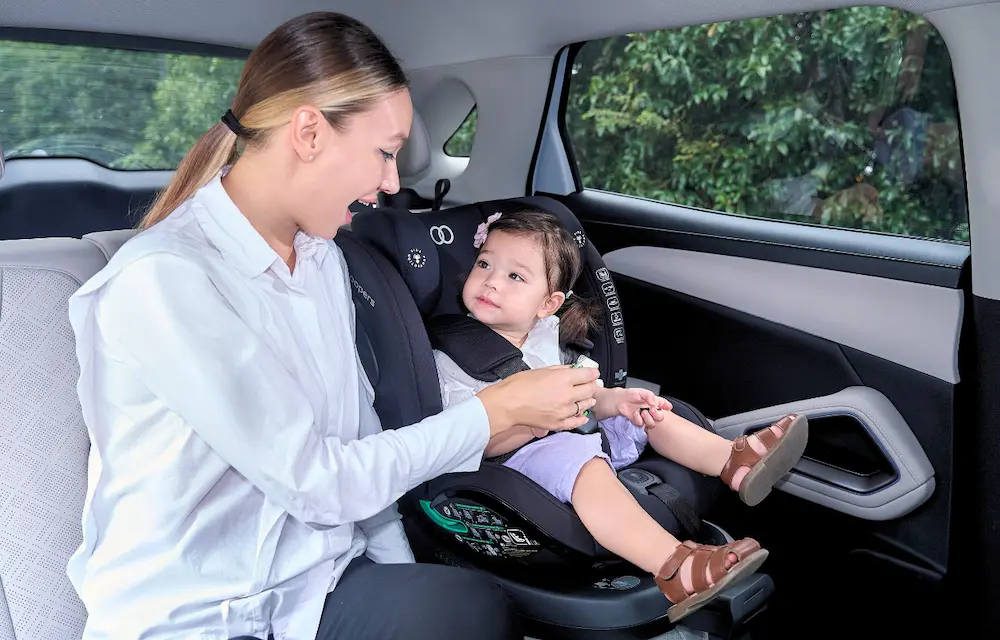
When the time comes to transition to a forward-facing car seat, consider these tips:
Gradual Transition
- Keep your child rear-facing for as long as the car seat allows.
- Only transition when they outgrow the maximum rear-facing limits.
Choosing the Right Forward-Facing Seat
A high-quality forward-facing car seat should:
- Meet R44/04 or R129 (i-Size) standards.
- Fit your child’s height and weight.
- Be compatible with your vehicle.
- Have ISOFIX car seats for secure installation.
Educating Your Child on Car Safety
- Explain car safety rules in simple terms.
- Involve your child in choosing their new car seat to create a positive experience.
Conclusion
Prioritizing your child’s safety is crucial. Extended rear-facing offers the best protection, especially for newborns and young children. Understanding different standards like R44/04, R129, and i-Size, and choosing the right car seat, including ISOFIX options, are essential steps in ensuring your child’s safety. Always refer to the manufacturer’s instructions and adhere to Malaysian regulations.
FAQs
Is extended rear-facing necessary?
Yes, extended rear-facing provides the best protection for young children. Their head, neck, and spine are not fully developed, and rear-facing distributes impact force more evenly. This is crucial, especially for newborns in a newborn car seat.
What if my child gets car sick when rear-facing?
Motion sickness is not necessarily caused by rear-facing. To reduce discomfort:
- Ensure good ventilation.
- Allow your child to see out the window.
- Take breaks on long journeys.
When can I switch to a booster seat?
Children can transition to a booster seat when they outgrow their forward-facing harnessed car seat, typically around 4 years old. Always check the car seat and booster seat manufacturer’s guidelines.
If you’re looking for safe and reliable car seats for your child, browse Koopers to explore our range of Koopers baby car seats. Ensure your child’s safety on every journey.