
How to Soothe a Crying Baby: Tips That Actually Work


All babies cry—it’s their way of communicating needs, discomfort, or emotions. For new parents, the sound can feel alarming, but rest assured: crying doesn’t mean you’re doing something wrong. In fact, it’s completely normal.
This guide will help parents in Malaysia distinguish between normal crying and signs that require medical attention. More importantly, explore practical soothing techniques, environmental tips, and emotional support strategies to help you and your baby find calm moments together.
Understanding Why Babies Cry
To effectively soothe a crying baby, it’s important to first understand why they cry. Crying is a newborn’s primary way of communicating everything from basic needs to emotional discomfort. By recognising different reasons behind their cries, parents can respond more confidently and appropriately. Here’s a breakdown of the most common causes of crying:
a. Hunger
Hunger is the most common reason babies cry. Look for early signs like rooting or sucking motions before the crying escalates.
b. Discomfort
Wet diapers, tight clothing, or feeling too hot or cold can cause fussiness. Always check for these basics when your baby starts crying.
c. Overstimulation
Too much noise, bright lights, or handling can overwhelm a newborn. Babies often cry to shut out excessive stimulation.
d. Tiredness
Overtired babies have a harder time falling asleep and may cry uncontrollably. Spot early sleep cues to avoid this.
e. Gas or Colic
Frequent evening crying, pulling knees to the chest, and a tense belly often point to gas discomfort or colic.
f. Need for Closeness
Sometimes, babies just want to be held and reassured. Physical touch and closeness provide the comfort they crave.
g. Illness or Fever
Persistent high-pitched crying, fever, or unusual behaviour warrants a call to your paediatrician.

Soothing Techniques That Work for Most Babies
Finding the right soothing method can take some experimentation, as every baby is unique. However, certain tried-and-tested techniques have helped many Malaysian parents calm their little ones effectively. Here’s how each method works to create a sense of safety and comfort for your baby:
a. Swaddle
Snugly wrapping your baby in a soft swaddle can mimic the tight, secure feeling of the womb. It helps limit startling reflexes and calms the nervous system, promoting better sleep and reduced crying. Always ensure the swaddle is not too tight around the hips to allow natural movement.
b. Side/Stomach Position (For Holding Only)
Holding your baby on their side or stomach (while awake) can be soothing, especially for easing gas discomfort. This position helps reduce pressure on the digestive system.
c. Shush
Creating a steady “shhh” sound or using white noise replicates the consistent whooshing sounds babies heard in the womb. Devices like white noise machines or apps, or even the gentle sound of a fan, can create an environment that soothes a crying baby and helps them fall asleep faster.
d. Swing
Gentle swinging or rocking is a natural way to soothe babies, as it mimics the motion they experienced inside the womb. Koopers Nyla baby swing in Malaysia can offer the right amount of movement to calm a fussy baby, giving parents a much-needed break.
e. Suck
Sucking is a natural soothing reflex for babies. Offering a pacifier, breastfeeding, or a bottle can satisfy this need and quickly calm crying. It’s important to introduce pacifiers after breastfeeding is well-established if you’re nursing, typically around 3–4 weeks of age.
Additional Calming Tricks
Sometimes the basic soothing techniques aren’t enough, and your baby may need a little extra help to settle down. These additional calming tricks build on movement, touch, and closeness to create a comforting environment:
- Light massage or tummy rub: Circular strokes can ease gas and colic.
- Gentle bouncing while holding: A light rhythmic motion can be very calming.
- Rocking with a baby carrier: Koopers’ baby carriers in Malaysia are versatile and thoughtfully designed for both comfort and practicality. They allow you to gently rock your baby while keeping them close and your hands free. Plus, their multifunctional design lets them double as both a carrier and a car seat—making transitions between soothing, carrying, and travelling smooth and stress-free..
- Babywearing: Keeps your baby close, secure, and comforted through body warmth and movement.
Environmental Adjustments to Calm Baby Down
The environment around your baby plays a major role in either soothing or overstimulating them. By making a few simple adjustments, you can create a calming atmosphere that supports relaxation and reduces fussiness.
1. Room Temperature
Malaysia’s heat can make babies cranky and uncomfortable. Dress your baby in lightweight, breathable cotton clothes and maintain a comfortably cool room using fans or air-conditioning. Avoid overdressing your baby, especially during naps and nighttime.
2. Dim the Lights
Bright lighting can overstimulate a baby’s developing senses, making it harder for them to settle down. Dimming the lights or using soft, warm lighting can create a more soothing environment that encourages sleep and calmness.
3. White Noise
The constant hum of a fan, white noise machine, or a simple app can recreate the comforting sounds of the womb. Consistent background noise masks sudden sounds that might startle your baby and promotes longer, deeper sleep.
4. Minimise Loud Sounds
Harsh noises can easily upset a sensitive baby. Play gentle lullabies or soft background music to create a peaceful atmosphere. Keeping the environment calm helps your baby stay relaxed and less prone to crying spells.
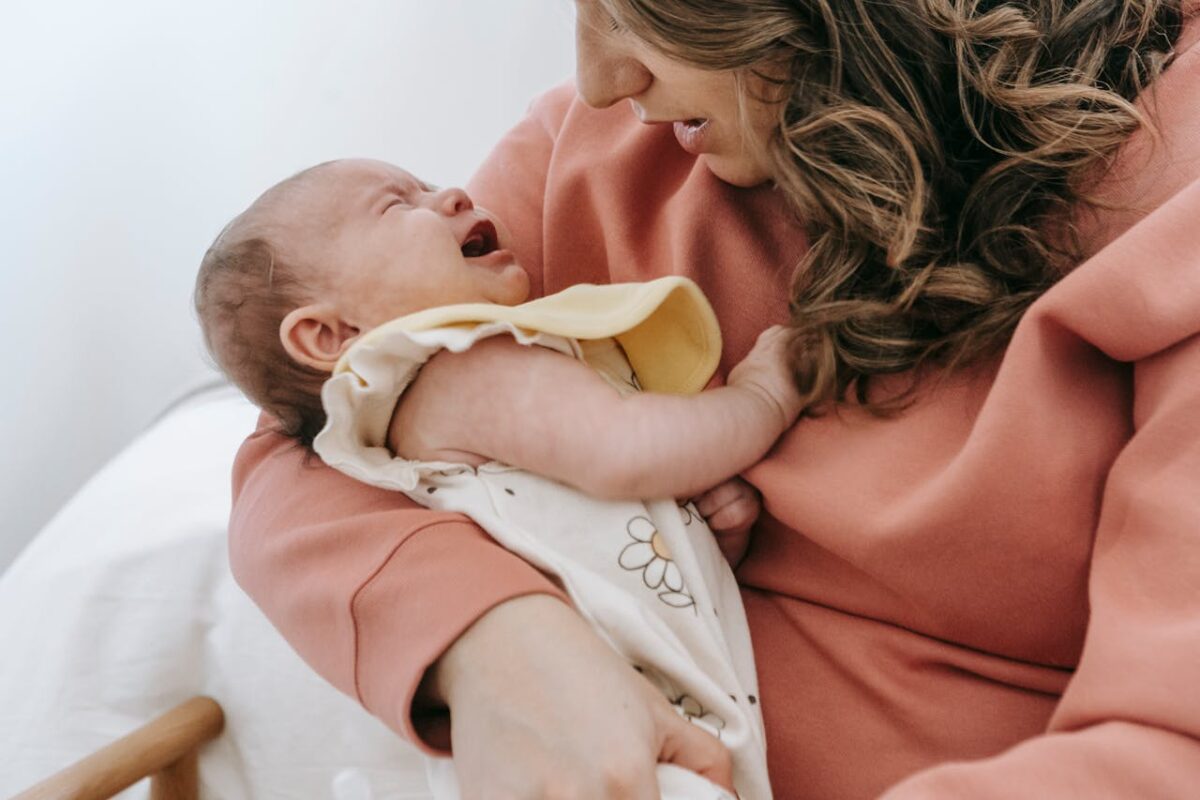
Try Sensory Soothing Options
When your baby is difficult to calm, engaging their senses through gentle touch, warmth, and soft comfort items can be highly effective. Sensory soothing taps into a baby’s primal need for connection and familiarity, helping them feel safe and relaxed. Here are some easy sensory methods you can try at home:
- Warm Bath: Helps relax tense muscles and soothe nerves.
- Skin-to-Skin Contact: Especially effective in newborns, calming both baby and parent.
- Gentle Stroking or Back Patting: Repetitive touch can be incredibly reassuring.
- Soft Toys: Safe plush toys (after 2+ months) can offer visual comfort during play or quiet time.
Timing & Routine: The Key to Reducing Crying
Creating a predictable daily rhythm can make a world of difference in reducing your baby’s fussiness. Babies thrive on consistency because it makes their world feel safer and more understandable. By paying attention to timing, wake windows, and simple routines, you can help your baby feel more secure and less prone to crying spells:
- Learn Wake Windows: Babies have age-appropriate awake periods. Respecting these windows can prevent overtiredness and excessive crying.
- Feeding–Play–Sleep Routine: A simple cycle helps babies anticipate what comes next.
- Pre-Bedtime Rituals: Consistent activities like a gentle massage, lullaby, and swaddling signal sleep time.
- Track Crying Patterns: Use a journal or baby app to find triggers or patterns to adjust routines accordingly.
Conclusion
Crying is a natural part of babyhood, and every parent experiences moments of uncertainty. The key is to stay calm, try different soothing techniques, and trust your instincts. Over time, you’ll learn exactly what comforts your little one best.
When it comes to creating a cozy, safe environment for your baby, having the right soothing tools can make all the difference. The Koopers Nyla Baby Swing is thoughtfully designed with adjustable speeds, Bluetooth music playback, and a supportive seat to help your baby relax in comfort.
Whether your little one needs a gentle sway to drift off or soothing music to calm fussiness, the Koopers Nyla offers a perfect hands-free solution. Ready to create calming moments for your newborn? Shop the Koopers Nyla Baby Swing today and enjoy a more peaceful parenting journey!
Frequently Asked Questions (FAQ)
Are pacifiers safe or will they cause nipple confusion?
Pacifiers are generally safe when introduced after breastfeeding is well established (around 3–4 weeks).
Should I let my baby "cry it out"?
In the newborn stage, it’s best to respond promptly to cries. Sleep training methods can be introduced gradually after 4–6 months, if appropriate for your family.
How do I calm a crying baby during car rides or shopping trips?
Use a portable white noise machine, a pacifier, or a stroller with a sleep recline feature. Koopers’ travel gear is ideal for keeping your baby calm and comfortable on the go.