Booster Seat Safety Checklist: What Malaysian Parents Need to Know


Booster seats are the final step before your child uses the car’s seat belt alone. Using one too early or incorrectly can significantly reduce your child’s safety.
This checklist helps Malaysian parents understand when, why, and how to use a booster seat correctly for every journey. Koopers’ ECE R129-approved booster seats offer trusted protection and comfort for growing children on Malaysian roads.
What Is a Booster Seat?
A booster seat is a type of baby car seat Malaysia designed for older children who have outgrown their toddler car seats but are still too small to use an adult seat belt safely. Unlike infant or convertible car seats, a booster seat doesn’t come with a built-in harness. Instead, it “boosts” the child’s height so the car’s seat belt fits correctly across their shoulder and lap.
There are two main types of booster seats:
- High-back booster seat – Provides extra neck and side-impact protection, especially for cars without adjustable headrests.
- Backless booster seat – Compact and easy to install, suitable for children in vehicles that already have supportive seatbacks.
Booster seats are forward-facing and used with the vehicle’s seat belt system. Many modern models, like those from Koopers, also come with ISOFIX car seat compatibility for improved safety and stability.
Parents should consider switching to a booster when their child exceeds the weight or height limit of a newborn car seat or toddler seat but still does not meet the size requirements for using the seat belt alone. In Malaysia, using a certified booster seat ensures your child remains protected according to both international standards and local road safety regulations.
1. Age and Size Requirements
Booster seats are meant for children who have outgrown their newborn car seat or forward-facing harnessed seat.
While age can be a rough guide, size matters far more for safety.
- Typically suitable for ages 7 to 12 years
- Minimum height for booster seat use:
- 100 cm (for high-back models, R129)
- 125 cm (for backless models, R129)
- Weight guidelines:
- ECE R44/04: 15 kg and above (ideally 22–36 kg)
- Child’s ears should be below the backrest of the seat for proper head support
Tip: Always check both your child’s height and weight, not just age, when deciding to upgrade.
2. Seat Belt Fit Must Be Perfect
A proper seat belt fit is essential for a booster seat to work effectively.
- The lap belt must lie low across the hips, not the stomach
- The shoulder belt should rest snugly across the shoulder and chest, not the neck
- Never allow the shoulder belt to go under the arm or behind the back
- Booster seats help guide the belt into the correct position for crash protection
Tip: If the belt rides too high on the tummy or neck, your child still needs a harnessed seat such as a 360 car seat before transitioning.
3. High-Back vs Backless Boosters
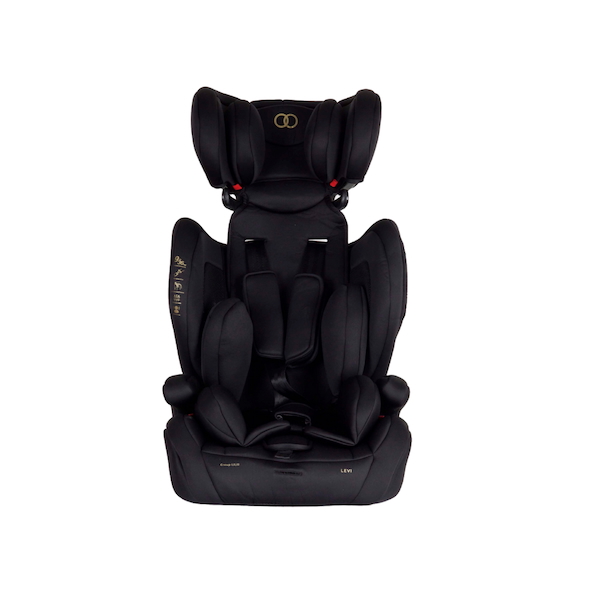
High-Back Booster Seats
High-back boosters offer better support and protection, especially for younger children or cars without headrests.
- Enhanced side impact and head support
- Minimum usage:
- ECE R129: At least 100 cm height
- ECE R44/04: At least 18 kg weight
- Recommended Koopers Model: Koopers Levi
- Covers Group I–III (9–36 kg)
- Built-in 5-point harness for 9–18 kg
- Transitions to high-back booster
- Adjustable headrest, lock-off mechanism, and soft cationic fabric
- MIROS QR code and 6-year warranty
- Part of Koopers’ 1-to-1 Crashed Exchange Programme

Backless Booster Seats
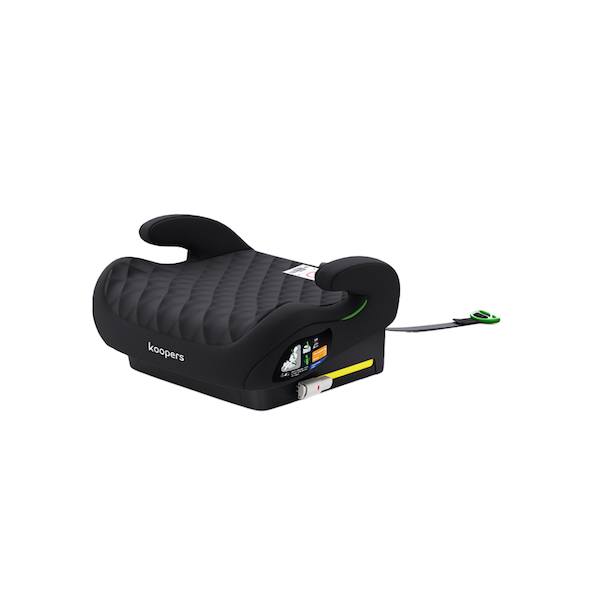
Backless boosters are lighter and ideal for older children travelling in vehicles with proper seatbacks and headrests.
- Compact and portable, often easier for carpooling or multiple vehicles
- Minimum usage:
- ECE R129: At least 125 cm
- ECE R44/04: At least 22 kg
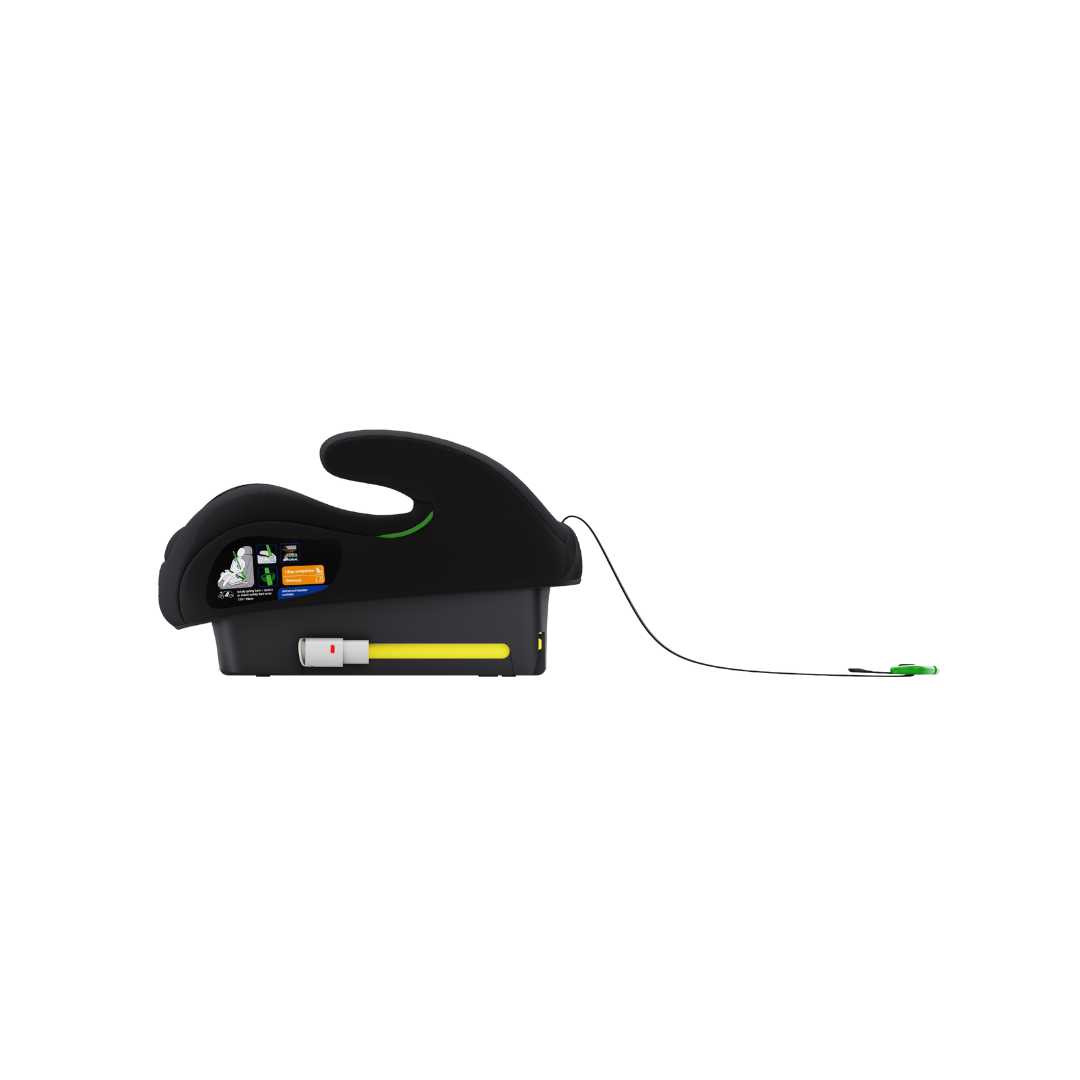
- Recommended Koopers Model: Koopers Boost Fix
- Designed for 125–150 cm / approx. 25–36 kg
- R129 i-Size approved with MIROS QR code
- Choice of ISOFIX car seat + seat belt or seat belt only
- Weighs only 2 kg, with memory foam, breathable fabrics, and padded armrests
- Colour-coded green belt guides for correct installation
- Comes with a 4-year warranty
4. Check for Safety Certifications
Always ensure the booster seat carries valid safety labels:
- ECE R129 (i-Size): Includes side-impact testing, size-based guidelines, and ISOFIX compatibility
- ECE R44/04: Weight-based groups, still accepted but being phased out gradually
- Look for product tags, labels, or QR codes like those approved by MIROS
Avoid expired or second-hand booster seats as plastic can degrade over time and compromise safety.
5. Proper Installation in Your Vehicle
Correct installation prevents dangerous seat movement during turns or crashes.
- ISOFIX adds a secure connection between the seat and your car’s frame
- Flush fit: The booster seat must sit flat against your car’s seatback
- Always refer to both the vehicle and booster seat manuals
Koopers Boost Fix supports both ISOFIX + adult seat belt or adult seat belt only installation, perfect for parents using more than one vehicle.
6. Know When Your Child Is Ready to Move On
Booster seats are no longer needed when your child can:
- Sit with their back fully against the seat
- Keep feet flat on the floor
- Wear the car’s seat belt with a proper fit without slouching or shifting
- Has reached at least 135–150 cm in height
For most Malaysian children, this milestone happens between 10–12 years.
Final Thoughts
Booster seats are not optional, they are a vital step in your child’s road safety journey. Using one correctly can significantly reduce the risk of injury in a crash.
The Koopers Boost Fix and Koopers Levi offer Malaysian parents peace of mind, whether you need an ultra-light backless booster or a high-back seat with harness versatility.
- Choose a seat that matches your child’s height and weight, not just their age
- Follow the size guidelines strictly to avoid premature upgrades
- Look for ISOFIX car seat options and international certifications like R129 or ECE R44/04
Frequently Asked Questions (FAQ)
At what age can a child stop using a booster seat in Malaysia?
Children must use a booster seat until they are at least 135 cm tall. For most children, this means age 10–12.
Are Koopers booster seats approved for Malaysian roads?
Yes, Koopers booster seats carry R129 or ECE R44/04 certifications, with additional local compliance via MIROS QR codes.
Do all booster seats need ISOFIX?
No, but choosing an ISOFIX car seat like the Koopers Boost Fix offers added security and ease of installation.
Related Articles for Smarter Parenting on the Go
As your child grows, so do their gear and travel needs. Here are more tips to guide your parenting journey:
- Preparing for the transition from infant seat to booster? Start with this practical newborn baby checklist for Malaysian parents to ensure your baby gear grows with your child’s development.
- When it’s time for your little one to travel more independently, you’ll want to know what to pack in your baby’s day-out bag for stress-free family trips and errands.
- Struggling with tantrums or restlessness in the car? These proven tips for soothing a crying baby can help you build calm car journeys and better booster seat experiences.
These blog articles offer more parenting insights that align with every stage of your child’s car seat journey, from newborn to pre-teen.