Signs Your Toddler Is Ready for Potty Training

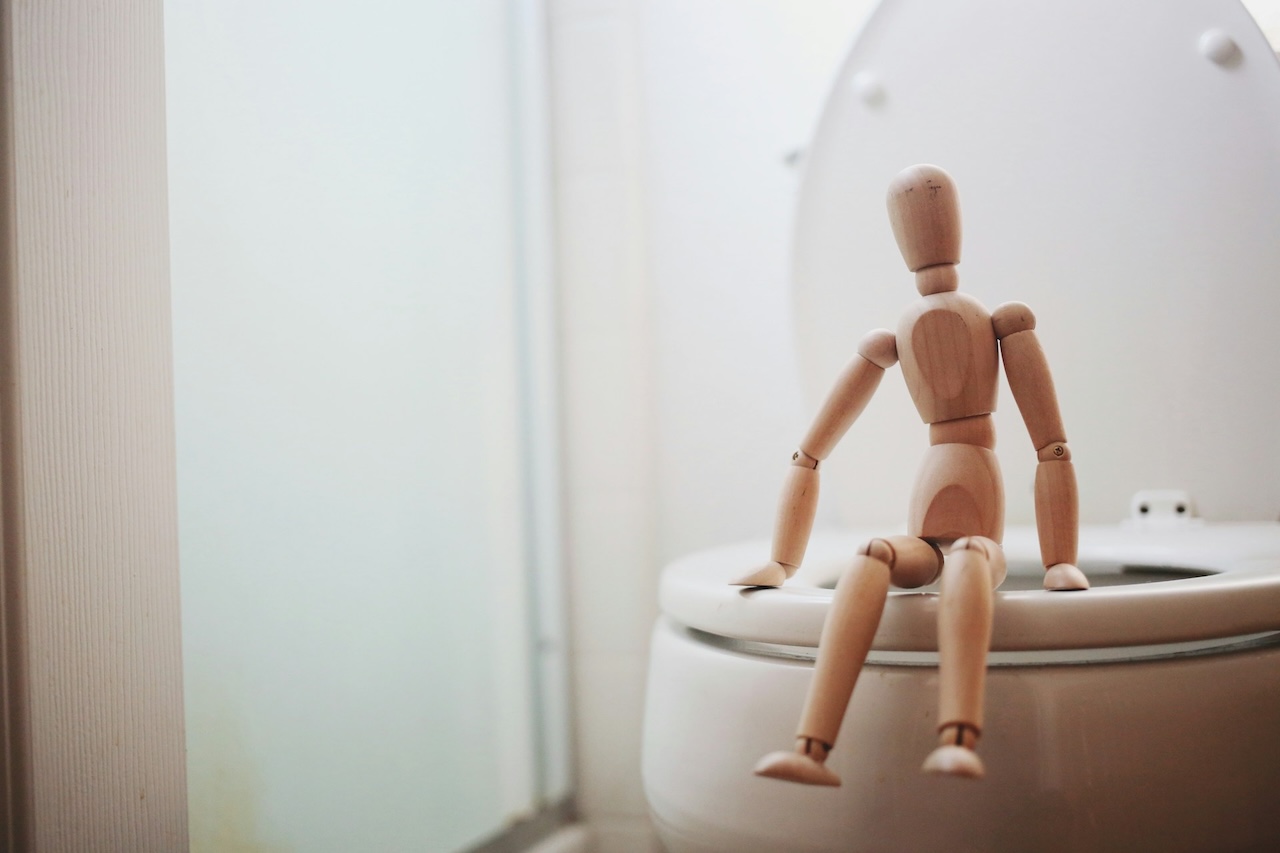
Potty training is a major developmental milestone for toddlers. While it’s tempting to start early, rushing the process can lead to frustration, accidents, and regression. Waiting for clear signs of readiness helps create a positive and lasting potty routine.
Most toddlers in Malaysia begin potty training between 18 and 36 months, but there’s no fixed timeline. The key is to watch your child’s behaviour, motor skills, and communication. When the signs align, the transition becomes easier for both parent and child.
Physical Readiness Signs
Your toddler may be physically ready to start potty training if they can:
- Stay dry for at least two hours during the day
- Have regular and predictable bowel movements
- Sit, stand, and walk with good balance and control
- Pull their trousers up and down independently
These signs show your toddler has the muscle control and motor skills needed to manage the potty successfully.
Cognitive and Language Signs
Understanding the potty process is just as important as physical ability. Look for these cognitive and communication cues:
- Follows simple instructions like “sit down” or “go potty”
- Can express when they need to pee or poop
- Shows curiosity about how parents or older siblings use the toilet
- Says basic potty words such as “pee,” “poop,” “toilet,” or “potty”
If your toddler is able to connect language with action, they are more likely to communicate before or during bathroom needs.
Behavioural and Emotional Signs
Emotions and habits also influence potty training success. Your toddler might be ready if they:
- Seem uncomfortable in a wet or soiled diaper
- Hide to poop, indicating they want privacy
- Ask to be changed more frequently
- Express interest in becoming a “big kid” or using grown-up tools
These signs show your child is becoming more aware of their body and hygiene.
Signs Your Child May Not Be Ready Yet
Not every toddler will take to potty training right away. It’s okay to pause if your child:
- Cries or resists sitting on the potty
- Shows no interest in mimicking adults
- Still has unpredictable bowel movements
Forcing the issue can lead to setbacks. Wait a few weeks and try again when your child shows more signs of interest and control.
Choosing the Right Potty Seat
The right potty seat can make a big difference. It should feel comfortable, safe, and familiar.
What to Look For:
- Non-slip base for added stability
- Splash guard to avoid mess
- Easy-to-clean design for convenience
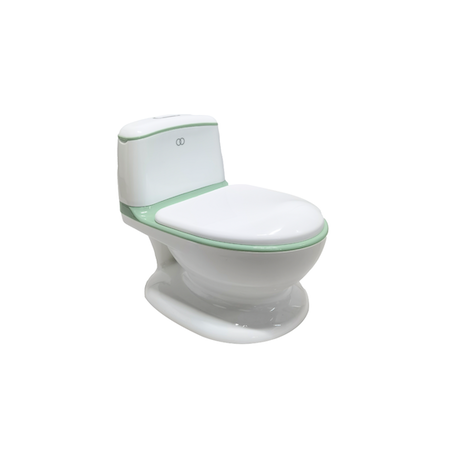
Koopers Baby Potty
 |
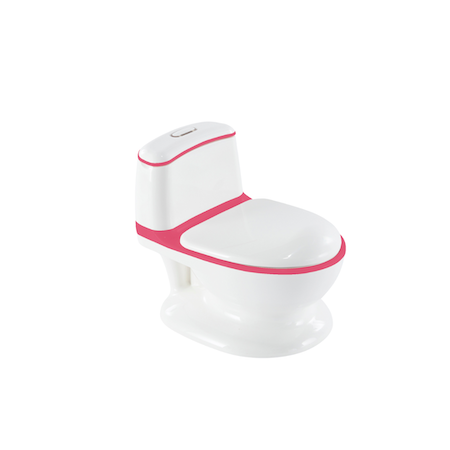 |
The Koopers My First Potty features:
- Realistic Design: Mimics an actual toilet, complete with flushing sounds, to help toddlers feel more comfortable and prepared for the real thing.
- Comfortable Seating: Equipped with a soft PU cushion seat and a high backrest, ensuring your child’s comfort during use.
- Safety First: Features a non-slip rubber base to prevent sliding, and an integrated splash guard to minimize messes.
- Convenient Cleaning: Comes with a removable bowl for easy cleaning and a built-in wipes dispenser for added hygiene.
- Suitable Age Range: Designed for children aged 18 months up to 6 years old, supporting weights up to 25kg.
- Dimensions & Weight: Measures 30.5 cm (L) x 53.5 cm (W) x 17.8 cm (H) and weighs 2.2 kg. This makes it portable and easy to bring along when travelling.
- Battery Requirement: Requires 2x AAA batteries for the flushing sound feature (batteries not included).
This potty seat not only provides a comfortable and safe environment for your toddler but also makes the potty training journey more engaging and less daunting.
Tips for a Positive Potty Training Start
Set your toddler up for success with a relaxed and supportive approach.
- Introduce the potty as a fun new object, not a demand
- Let them sit fully clothed at first to get comfortable
- Praise every effort, even if nothing happens
- Create a routine by encouraging potty time after meals or before bedtime
- Be patient and expect accidents, especially in the early days
Avoid using punishment or pressure, which can backfire and delay progress.
Final Thoughts
Every child develops at their own pace. Potty training readiness is about behaviour and ability, not just age. With the right tools, such as the Koopers My First Baby Potty, and a little patience, you can turn this stage into a proud and rewarding milestone.
Ready to Begin the Potty Journey?
Explore Koopers’ range of home essentials including the ergonomically designed Koopers Baby Potty. Designed for comfort, confidence, and cleanliness, it’s the perfect start to your toddler’s toilet independence.
Frequently Asked Questions (FAQ)
1. What age do most toddlers start potty training in Malaysia?
Most Malaysian toddlers start between 18 and 36 months, but the best time is when your child shows readiness signs, not based on age alone.
2. Should I use a toilet seat adapter or a standalone potty?
Both can work well. A standalone potty is often easier for beginners, while seat adapters suit toddlers who are confident or curious about using the full toilet.
3. Is it okay to potty train before age 2?
Yes, if your child shows physical, cognitive, and emotional readiness. However, starting too early can lead to more accidents and frustration, so always watch your child’s signals first.